
UNDERSTANDING MEDIA: Radical Shifts in the Information Ecosystem
In a world shaped by rapid technological change, shifting global power dynamics and mounting threats to democracy, the role of the media is paramount. Media can do more than just inform; they can also manipulate, polarise and divide or unite societies. In an era of information overload, with the potential to influence billions of people and reach every corner of the globe, it is more urgent than ever to understand the forces behind it.
Media have the power to suppress or liberate, to promote or hinder societal change. That’s why we are convinced: Every student, regardless of their field of study, should engage with the key question of how the media shape our individual and collective consciousness, thinking and actions, and who holds this immense power.
In our hybrid, highly interactive format, you will collaborate with students from other European universities to address critical media challenges. Who controls the media you use daily? How do these influences shape the information you receive about the world? How do the media influence political movements and election outcomes? How are new technologies and artificial intelligence transforming our media systems? How independent is the media today? Is freedom of expression under threat, and how can it be protected? How can trust in the media be restored?
This seminar gives you the chance to engage directly with international media experts who will join us for each session to explore these pressing issues
- Rasmus Kleis Nielsen is a professor at Copenhagen University and a former director of the Reuters Institute for the Study of Journalism at the University of Oxford.
- Charlie Beckett, Director of the Global Journalism AI Initiative at the London School of Economics and Political Science (LSE)
- Renate Schröder, Director of the European Federation of Journalists in Brussels
- Marius Dragomir, Director of the Media and Journalism Research Centre (MJRC)
- Lars Boering, Director of the European Journalism Centre and former Director of the World Press Photo Award
- Sarah Shirazyan, Director and Head of GenAI Product Policy at Meta
- Jacob Mchangama, founder and executive director of The Future of Free Speech, and senior fellow at the Foundation for Individual Rights and Expression (FIRE)
... and many other leading voices in the field.
No matter your field of study, this seminar will open your eyes to the invisible structures and forces shaping what you read, see and believe — insights that will serve you well beyond your university years.
Johannes Wiek
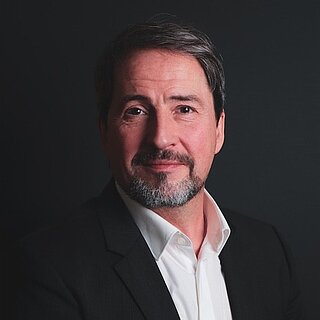
Johannes Wiek, UW/H-WIWI-Alumnus, ist Journalist, Autor, Medienentwickler und strategischer Kommunikationsberater. Neben seiner journalistischen Arbeit berät er internationale Unternehmensberatungen, Think Tanks, Unternehmen sowie politische Akteure und Bildungseinrichtungen – seit 2018 auch die UW/H und insbesondere das Witten Lab Zukunftslabor Studium fundamentale, wo er unter anderem die Redaktion des WITTEN LAB MAGAZIN (wittenlab.de) leitet.
Teilnahmemodalitäten
If you would like to have the course credited as a specialist module within your main degree programme, please register additionally using the WiGe course number 400.0172.
Ziele & Kompetenzen
We’ll address critical media issues head-on, including:
- freedom of speech and media independence
- Media ownership and media capture
- Manipulation and bias in the media
- Media Policy and Regulation
- Algorithms and artificial intelligence.
- The Power of Images and the Impact of Visual Media
- Media ethics and their role in democracy
Bring a keen interest in media, journalism, AI and current societal shifts. You don't need extensive expertise, just curiosity and an open mind. You will develop a deeper understanding of the media landscape, including its structures, influences and social impact, and learn to critically reflect on your own media use.