
Art, Commerce and Criticism. Art-Historical and Philosophical Perspectives on Contemporary Art (Including a Visit to Art Cologne)
The seminar explores contemporary art within the interplay of aesthetic experience, social interpretation, political critique and economic exploitation. The starting point for this is Art Cologne, as one of the key venues where these tensions can be observed in their most concentrated form. The fair is understood not only as a venue for presentation, but also as an institutional, social and economic context within which art is perceived, interpreted, evaluated and traded.
The central question is whether, and in what sense, contemporary art can simultaneously be a space for aesthetic experience, a medium of insight and social critique, and an object of a highly commercialised art market. To this end, the seminar combines art-historical and philosophical perspectives: it addresses works, forms and methods of image analysis, but also aesthetic and art-philosophical questions concerning beauty and sensuality, interpretation and judgement, autonomy and engagement, as well as the social and political role of art in the present day.
In preparation for the visit to the art fair, we will first reflect on our own ideas and expectations regarding art. At the Märkisches Museum in Witten, we will practise basic methods of image analysis and discuss the differences between museums, galleries and art fairs. Building on this, we will discuss exemplary aesthetic and art-theoretical positions and develop ‘observation tasks’ for Art Cologne. The final session will be devoted to a systematic evaluation of the visit to the art fair and a review of the seminar’s guiding questions.
Prof. Dr. Claus Volkenandt
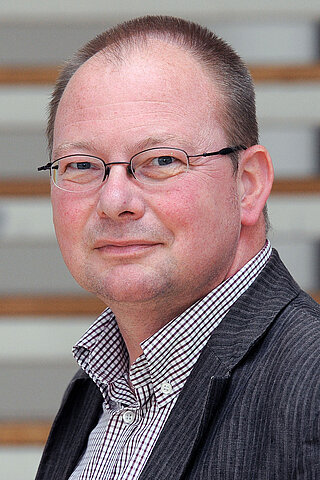
Prof. Dr. Jan-Christoph Heilinger

Praktischer Philosoph mit besonderem Interesse im Bereich der anwendungsorientierten Ethik und politischen Philosophie – und angrenzenden Bereichen in Wissenschaft, Kunst und Kultur.
Participation modalities
Excursion Art Cologne
Objectives & Competences
Overarching question:
(How) Can contemporary art be, at the same time, a space for aesthetic experience, a medium for insight and social critique, and an object of a highly commercialised art market?
The thematic focus
is on examining the distinctive character of contemporary art and art fairs within the tension between aesthetic experience, critique and commerce.
In terms of knowledge, students should:
- understand the distinctive nature of art fairs as spaces that straddle the boundaries between exhibition, market and public performance;
- become familiar with fundamental art-historical and aesthetic-philosophical approaches to the analysis of contemporary art;
- gain insight into the role of museums, galleries and art fairs in the perception, interpretation and evaluation of art;
- develop an understanding of the art market, the commodity nature of art and the commodification of cultural goods.
At the practical level, students should:
- be able to describe, analyse and contextualise works of art in greater detail;
- develop their own aesthetic judgements and interpretations through reasoned argument;
- undertake a visit to a museum or art fair with theoretical knowledge and methodological reflection;
- observe specific works, forms of presentation, market mechanisms and current trends in contemporary art at Art Cologne.