
Health, Nutrition, Agriculture and Their Connection – The Microbiome
Prof. Dr. med. Friedrich Edelhäuser
The microbiome – the totality of all microorganisms within a habitat (soil, plant, animal, human, ecosystem) – has, in recent years, been increasingly recognised for its far-reaching significance for all life processes on Earth and within humans.
The soil microbiome plays a central role in this and serves as the point of origin and hub for the microbiome components found in the plant and animal worlds and in humans (Nature Rev. 2023).
The microbiome of fertile soil comprises trillions of bacteria, viruses, archaea, fungi and protozoa, whose influence on countless physiological processes and life processes we are only just beginning to understand.
In agriculture, the foundation of our food supply, almost all processes are interwoven with microbial systems. They play a central role particularly in the areas of humus formation, soil fertility and root-soil interactions. Just as in humans through diet, the microbiome in agriculture is significantly influenced by cultivation methods.
Microbiome research makes an important contribution to a sustainable, holistic ecological approach and thus also to the urgently needed integrative science and sustainable and regenerative management.
In addition, current projects from Kassel and Witten relating to this topic will be presented.
Prof. Dr. med. Friedrich Edelhäuser
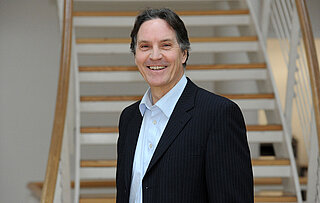
Prof. Dr. med. Friedrich Edelhäuser
Neurologe, Chefarzt der Abteilung für Frührehabilitation am Gemeinschaftskrankenhaus Herdecke. Kollegiale Leitung des Integrierten Begleitstudiums Anthroposophische Medizin. Ich interessiere mich für den Zusammenhang von Wahrnehmen und Bewegen, Introspektionsforschung (Erste-Person-Perspektive), moderne aktivitäts- und teambasierte Unterrichtsdidaktik, Teambildungs-, Aus- und Weiterbildungsfragen, One Health, Planetary Health und ökologische Medizin.
Objectives & Competences
This weekend we will be looking at the soil microbiome and its central importance for healthy and sustainable life processes. How does “fertile soil” come about in the first place, how can it be maintained and what role does it play for the global ecosystem and human health (Blum 2019)?